Cut Through the Noise with Purposeful Curation
Today we explore “Pruning Information Overload: Systems for Fast, Intentional Curation,” turning overflowing feeds into a calm, navigable river. Expect pragmatic strategies, humane guardrails, and repeatable checklists that protect attention, accelerate learning, and invite serendipity. By the end, you’ll know what to keep, what to skip, and how to share value swiftly. Bring your favorite tools, your stickiest habits, and your curiosity—then subscribe to keep refining together.
Designing Filters That Respect Your Goals
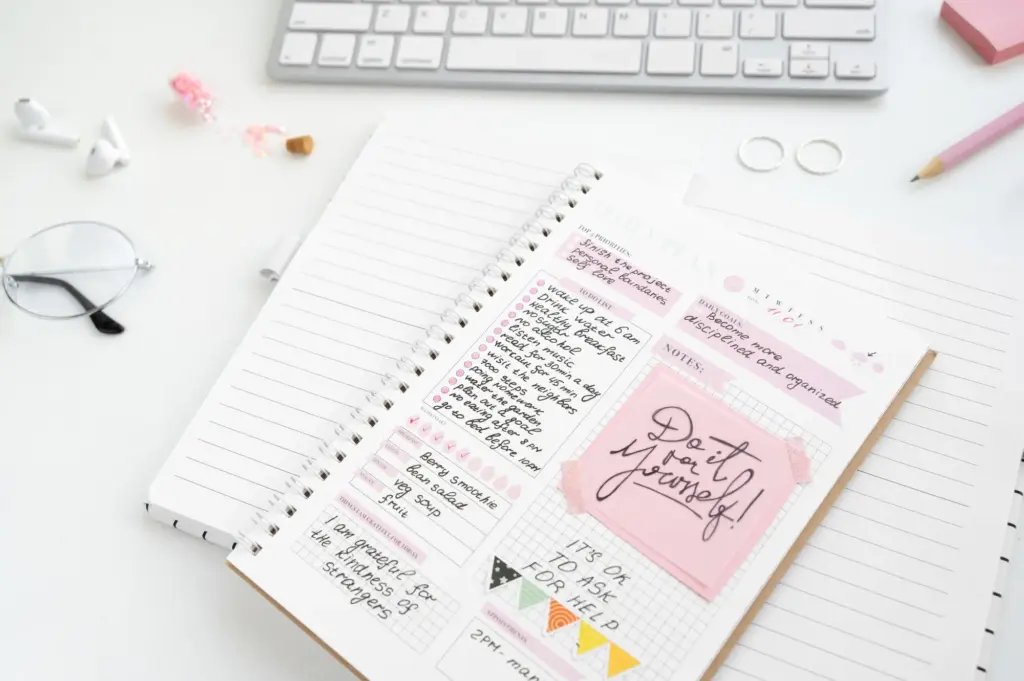
Before chasing more input, craft a compass. Clarify what truly matters this quarter, translate those priorities into explicit inclusion and exclusion rules, and let them guide subscriptions, alerts, and follows. When I aligned my reading with two quarterly questions, my queue dropped by half and insight density doubled. Share your guiding questions below, and we’ll help refine them into reliable filters you can revisit each season.
From Values to Vectors
Turn fuzzy values into crisp selection criteria by writing measurable signals: outcomes, keywords, domains, and formats that advance your aims. Treat each as a vector pointing forward, then weigh them. During a product sprint, I boosted engineering sources, downscored general tech gossip, and my saved-to-applied ratio soared. Post your top three signals and we’ll suggest practical weights for quicker, surer choices.
Calibrating Signal-to-Noise
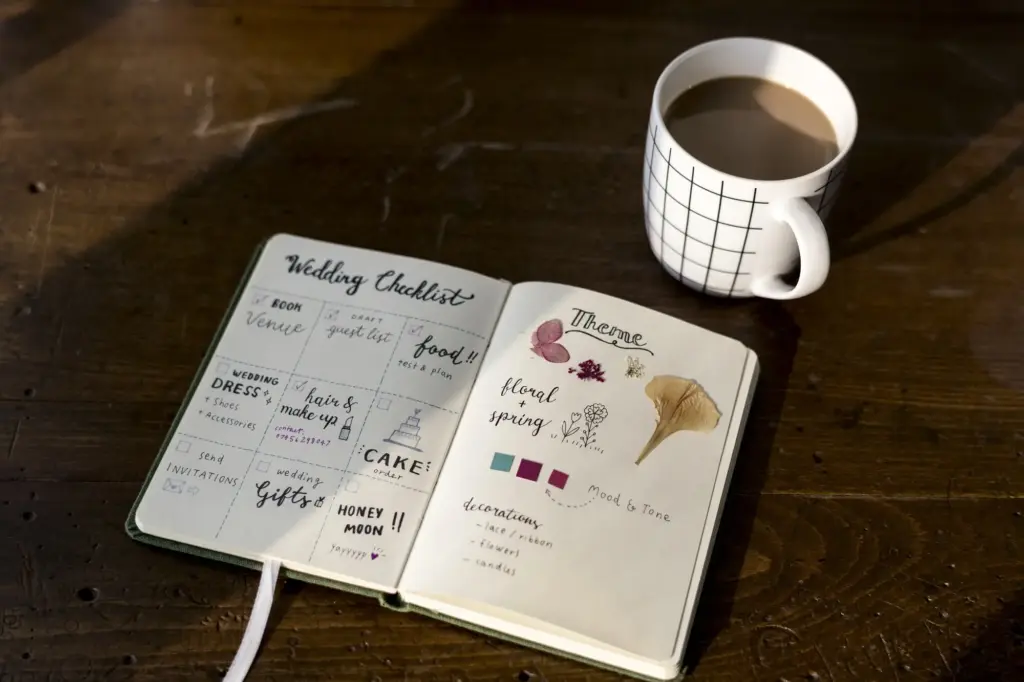
Set thresholds that force tradeoffs. For example: only keep articles with clear, testable claims; archive anything lacking a summary or citation; drop newsletters that repeat yesterday’s context. Track results weekly and adjust. The first week may feel severe, but clarity compounds. Comment with a threshold you’re debating, and we’ll discuss gentle experiments that keep curiosity alive while taming distraction.
Building a Lightweight Capture Pipeline
A nimble pipeline prevents inbox cliffs. Create one capture door per context—mobile, desktop, reading device—and keep them frictionless. Everything lands in a single staging area with a visible age timer. I went from dozens of half-saved tabs to a daily zero by simplifying inputs. Share a screenshot of your capture setup, and we’ll crowdsource two tweaks to shave minutes from every session.
Curate with Speed: Daily, Weekly, Monthly Rhythms
Rhythms transform scattered effort into steady progress. A short daily sweep keeps inputs tidy; a focused weekly synthesis converts highlights into briefs; a relaxed monthly garden maintains structure. I reclaimed evenings once these cadences clicked. Start small, iterate kindly, and celebrate tiny wins. Share your current rhythm, even if messy, and we’ll offer one experiment to lighten the load without sacrificing discovery.
Begin with a timer and a promise: five minutes only. Clear dead tabs, archive stale saves, star exactly three promising items. No reading yet; simply steer the ship. I gained an hour weekly by resisting rabbit holes at breakfast. Try the sweep tomorrow, then report how many items you actually touched. We’ll compare notes and refine the boundary together.
Choose a calm half-hour to turn highlights into concise briefs: claim, evidence, implication, next step. Limit to five items to maintain quality. My team began using these briefs directly in standups, skipping sprawling links. It felt miraculous. Want a lightweight template and a timer playlist? Comment “BRIEF,” and I’ll share the exact outline that prevents overthinking while preserving nuance.
Once a month, step back and landscape the system. Rename folders clearly, merge duplicate tags, and promote durable notes into canonical references. I play ambient music, sip tea, and treat it like tending vines. The payoff is calm confidence. If you’d like a seasonal checklist to guide the session, reply with your favorite writing beverage and I’ll send the PDF.





Tools That Stay Invisible
Great tools disappear behind clear intent. Prefer smart defaults to infinite options, fast text over shiny gestures, and open formats over lock-in. I’ve switched stacks often; the winning setups share one trait: they get out of the way. Share your current trio—capture, thinking, sharing—and I’ll propose a lighter configuration that preserves flexibility while dramatically reducing cognitive drag and clicks.
Sharpening Judgment Through Small Bets
Curation matures through doing, not hoarding. Treat saved items as seeds for tiny experiments: a sketch, a test, a shared note. Track which seeds sprout into decisions or learning. I measure usefulness by changed behavior, not clicks. Post one small bet you’ll place this week, and we’ll follow up together, comparing results and sharpening instincts without overwhelming your schedule or sanity.

Sharing to Learn Faster
Publishing crystallizes judgment. Convert curated finds into short, generous notes others can use immediately. Two paragraphs, one diagram, and a link to provenance can outperform long essays. My most saved posts are tidy, timely, and humble. Share your latest distilled insight and invite questions. Subscribers learn from you, you learn from subscribers, and together we raise the signal for everyone.

Staying Human in the Stream
A curated life honors rest, play, and embodiment. Build breathing room into every ritual, step outside after heavy sessions, and let unstructured time refill creative wells. I learned this after burning out on excellence. Now, constraints feel compassionate, not punitive. Share a boundary you’ll test—timebox, device free dinner, or quiet Sunday—and we’ll celebrate sustainable progress together, not performative productivity.
Protect mornings from pings, carve a midday reset, and schedule a true shutdown. Tiny breath exercises between context switches prevent cognitive smear. I keep a sticky note that simply says, “Arrive.” It works. Want a two-minute ritual card? Comment “ARRIVE,” and I’ll send a printable version tailored to writers, builders, and researchers who court depth without courting exhaustion.
Calendar-block undisturbed sessions, set app limits that match intentions, and agree on handoff windows with collaborators. When I named my blocks “Studio Hours,” people respected them more. Words matter. What would you call yours? Share a label, and we’ll test phrasing that invites cooperation and deflects casual interruptions, giving complex thinking the oxygen it deserves day after day.
All Rights Reserved.